Services
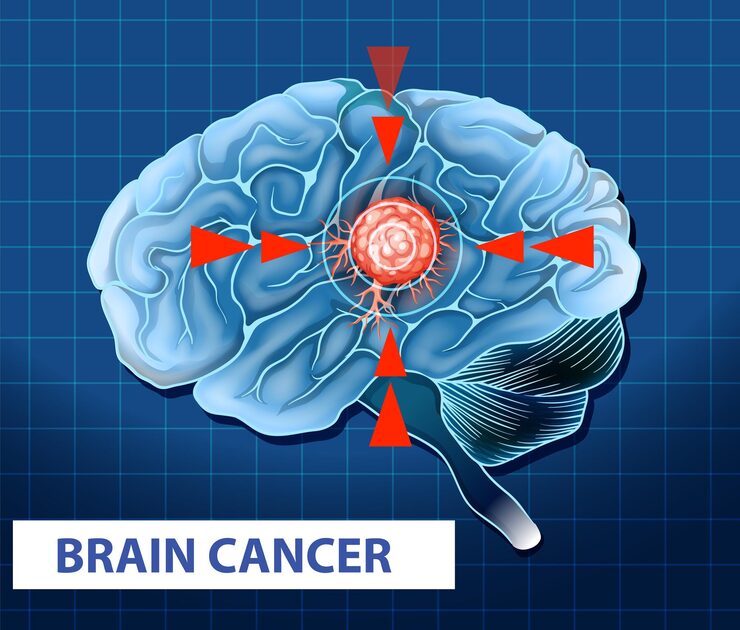
Brain cancer and neurological tumours
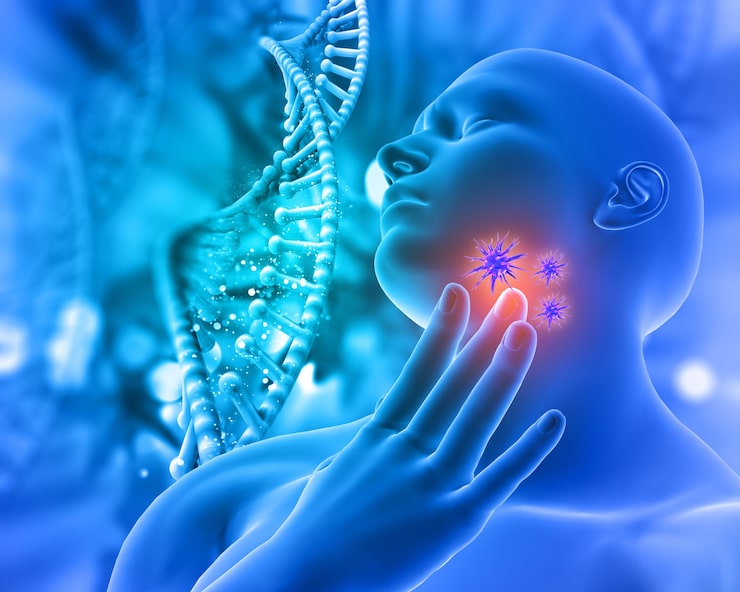
Head and neck cancer
Skull base tumours
Worldwide Medical Services UK assists patients with access to Proton Beam Therapy (PBT) for skull base tumours, depending on their diagnosis, tumour location, and overall health condition.
We support patients in connecting with specialist oncology consultations and advanced treatment options at leading international proton therapy centres, including established hospitals such as Proton International London at University College Hospital (UCH).
Our role is to coordinate the referral process and guide patients through experienced multidisciplinary clinical teams who deliver highly precise and carefully planned treatment.
This structured approach ensures patients receive appropriate guidance and access to internationally recognised care pathways, with a strong focus on safety, accuracy, and treatment effectiveness.
Proton beam therapy is a cutting-edge radiation therapy offered at Proton International London, located at University College Hospital (UCH). Proton International is a global leader in PBT, with over 30 years of experience treating cancer patients.
Our experienced radiation oncologists work closely with the first-class clinical team of radiographers and physicists from University College Hospital (part of University College London Hospitals NHS Foundation Trust) to provide private patients with the highest quality proton beam therapy treatment and care. Our doctors have a strong interest in clinical research, and we are constantly looking for new ways to improve the effectiveness and safety of PBT.
Breast cancer
Proton Beam Therapy (PBT) is an advanced form of radiation treatment that may be considered for certain breast cancer patients, depending on their diagnosis, stage of disease, and overall health condition.
Worldwide Medical Services UK assists patients in accessing specialist oncology consultations and advanced treatment options at leading international proton therapy centres, including established hospitals such as Proton International London at University College Hospital (UCH).
Our role is to coordinate the referral process and support patients in connecting with experienced multidisciplinary clinical teams who deliver highly precise and carefully planned treatment.
This structured approach ensures patients receive appropriate guidance and access to internationally recognised care pathways, with a focus on safety, precision, and long-term treatment outcomes.
Proton beam therapy (PBT) is a cutting-edge radiation therapy offered at Proton International London, located at University College Hospital (UCH). Proton International is a global leader in proton beam therapy, with over 30 years of experience treating cancer patients.
Our experienced radiation oncologists work closely with the first-class clinical team of radiographers and physicists from University College Hospital (part of University College London Hospitals NHS Foundation Trust) to provide private patients with the highest quality PBT treatment and care. Our doctors have a strong interest in clinical research, and we are constantly looking for new ways to improve the effectiveness and safety of proton beam therapy.
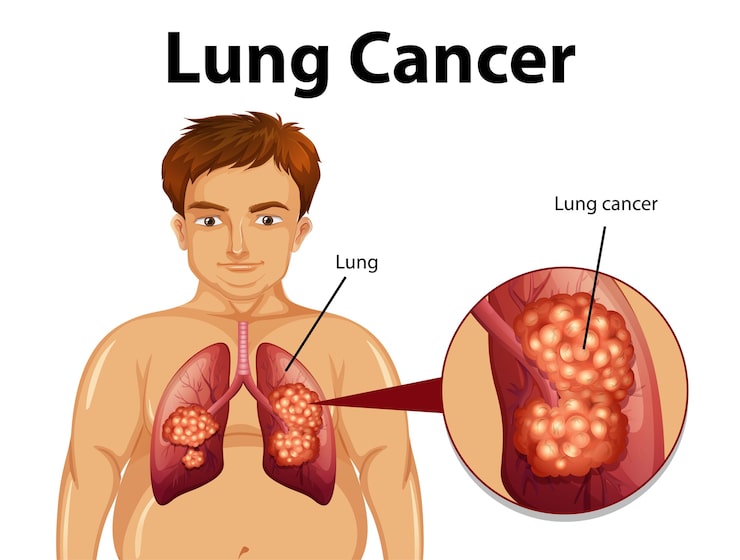
Lung cancer
Proton Beam Therapy (PBT) is an advanced form of radiation treatment that may be considered for certain lung cancer patients, depending on their diagnosis, stage of disease, and overall health condition.
Worldwide Medical Services UK assists patients in accessing specialist oncology consultations and advanced treatment options at leading international proton therapy centres, including established hospitals such as Proton International London at University College Hospital (UCH).
Our role is to coordinate the referral process and support patients in connecting with experienced multidisciplinary clinical teams, ensuring access to highly precise and carefully planned treatment.
This structured approach helps ensure that patients receive appropriate guidance and access to internationally recognised care pathways focused on safety, precision, and treatment quality.
Proton beam therapy (PBT) is a cutting-edge radiation therapy offered at Proton International London, located at University College Hospital (UCH). Proton International is a global leader in proton beam therapy, with over 30 years of experience treating cancer patients.
Our experienced radiation oncologists work closely with the first-class clinical team of radiographers and physicists from University College Hospital (part of University College London Hospitals NHS Foundation Trust) to provide private patients with the highest quality proton beam therapy treatment and care. Our doctors have a strong interest in clinical research, and we are constantly looking for new ways to improve the effectiveness and safety of proton beam therapy.
Prostate cancer
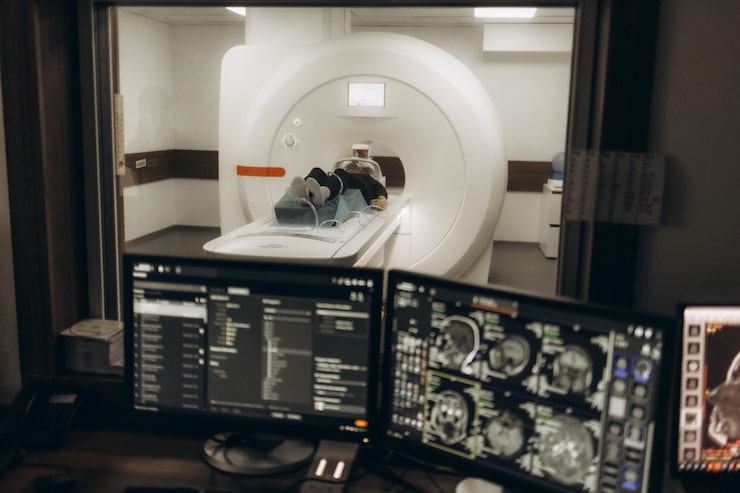
Proton beam therapy is not a one-size-fits-all treatment. Every stage, from your initial consultation through to the final session, is carefully planned around your individual diagnosis, overall health and treatment goals. We will guide you through what to expect while designing a treatment approach that is as precise and effective as possible.
From detailed imaging and expert dose planning to the safe and accurate delivery of each session, your care is guided by a multidisciplinary team of professionals. This step-by-step approach ensures your treatment is tailored to the exact characteristics of your tumour, while supporting your comfort, safety and quality of life throughout.
Proton Beam Therapy (PBT) for prostate cancer is a highly specialised treatment that is carefully considered based on each patient’s diagnosis, overall health, and clinical needs. It is not a one-size-fits-all approach, and suitability is assessed by specialist oncology teams.
Worldwide Medical Services UK helps patients access expert consultations and advanced treatment planning at leading international proton therapy centres.
From initial medical review and diagnostic imaging to treatment planning and delivery, care is managed by experienced multidisciplinary teams at partner hospitals. Our role is to coordinate each stage of the process, ensuring patients are guided clearly and supported throughout their treatment journey.
This structured pathway helps ensure that treatment is precisely planned, safely delivered, and focused on achieving the best possible clinical outcome while maintaining patient comfort and quality of life.
Spine and sarcoma
At the WORLDWIDE MEDICAL SERVICES UK (ONCOLOGY SPECIALISTS)Private Sarcoma Service, We help access a wide range of sarcomas, including:
• Soft tissue sarcomas
• Bone sarcomas
• Chondrosarcomas
• Chordoma
• Osteosarcoma
• Ewing’s sarcoma
• Rhabdomyosarcoma
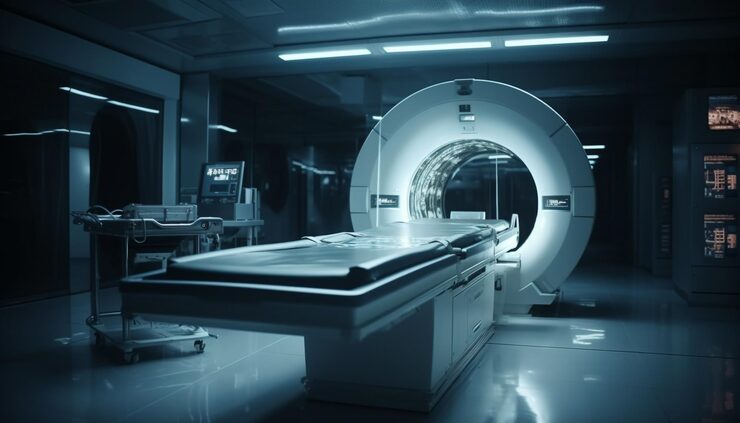
Paediatric cancer
At Proton International London Private Proton Therapy Centre, we specialise in treating a wide range of paediatric cancers.
Located at University College Hospital (UCH), the private service is offered by Proton International, which brings unmatched global experience and expertise in providing PBT, an advanced and extremely precise form of radiotherapy, to communities across the world.
Our highly respected oncologists work in conjunction with the first-class team at University College Hospital (part of University College London Hospitals NHS Foundation Trust). They have a strong interest in clinical research and provide a comprehensive and high-quality service to paediatric patients with a variety of cancers. They have extensive experience in treating cancer in children and offer PBT as a unique treatment option in the UK.
Worldwide Medical Services UK supports families in accessing advanced treatment options for children diagnosed with cancer, including Proton Beam Therapy (PBT) at leading specialist centres.
Through our international medical network, we help coordinate referrals to experienced proton therapy centres such as Proton International London, located at University College Hospital (UCH), part of University College London Hospitals NHS Foundation Trust.
These centres bring extensive expertise in delivering highly precise radiotherapy designed specifically for paediatric patients, helping to protect healthy developing tissues while effectively targeting cancer.
Our role is to guide families through every step of the process—from initial consultation and second opinion to hospital referral and treatment coordination—ensuring access to world-class care with trusted clinical teams.
Gastrointestinal cancer
If you’re facing treatment for gastrointestinal cancer, you may have concerns about side effects, long-term health, and how therapy might affect your day-to-day life. While all forms of radiotherapy have the potential for short and long-term side effects, proton beam therapy can reduce the risk.
The main advantages include:
- Lower risk of short-term side effects
Because protons can be directed so precisely, there is less likelihood of damaging nearby tissues and organs during treatment. - Reduced chance of long-term complications
Protecting healthy organs means a lower risk of secondary issues that can affect quality of life months or years later, which is especially important in children and young adults. - Potential for higher doses (if appropriate)
Because of the precise nature of the treatment, in some situations, clinicians may decide that a higher dose of radiation is appropriate, improving the overall effectiveness of the treatment.
Read more about the benefits of proton beam therapy.


Lymphoma
Lymphoma is most commonly treated with chemotherapy, and in some cases, radiotherapy is added to give the treatment the best possible chance of success. The radiation doses used for lymphoma are generally lower than for many other cancers, meaning the main benefit of proton beam therapy lies in reducing long-term side effects rather than improving tumour control.
This is particularly relevant for younger patients and for those with lymphoma affecting sensitive areas of the body. When radiotherapy is delivered to regions such as the chest or abdomen, nearby organs may be exposed to radiation, which can increase the risk of late complications many years after treatment.